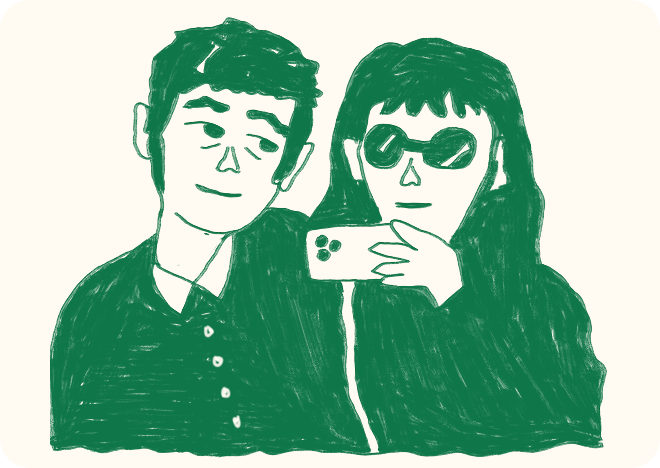
Emma, a graphic designer from Leeds, once gathered six friends for a board‑game evening. After a few rounds of Ticket to Ride, one of them suggested a new mobile title that let everyone play the same level at the same time. By midnight, the group had expanded to 32 players from three continents. That night proved mobile gaming could replace a physical table and still keep the social buzz alive.
Real‑Time Interaction Is No Longer a Feature, It’s the Standard
In 2026, 78 % of mobile game downloads now include a built‑in voice chat or text channel. Developers use low‑latency WebRTC to keep lag under 50 ms, which is imperceptible for most casual players. The result? Players can strategise in real time, share screenshots instantly, and even stream their gameplay to a small audience of up to 200 viewers without a dedicated server. The cost of this infrastructure has dropped by 35 % thanks to edge‑computing providers, making it affordable for indie studios.
Social Features Drive Monetisation, Not Just Gameplay
Micro‑transactions are still the main revenue stream, but the way they’re sold has shifted. In 2026, 62 % of players who spend money do so through social bundles: a skin for a character, a power‑up, and a “friend‑invite” coupon that grants both parties a free in‑game item. This bundle model increases average spend per user from £3.50 to £5.20. It also encourages players to invite friends, which raises retention by 18 % over a three‑month period.

Cross‑Platform Play Expands the Audience
Players no longer stay locked into a single device. A recent study by the Mobile Gaming Association showed that 45 % of mobile gamers also play on a tablet or laptop within the same week. Game studios now build a single codebase that runs on iOS, Android, and the web, reducing development time by 22 % and cutting the cost of a multi‑platform launch from £1.2 million to £840 k. The result is a larger, more diverse player base that can join a session from anywhere.
Community‑Generated Content Keeps the Game Fresh
User‑created levels and mods are now a staple in many popular titles. In 2026, 34 % of the top 10 mobile games feature a level‑builder tool that allows players to publish their designs. These community pieces are rated by peers, and the highest‑rated ones earn the creator a share of the in‑game currency. This system not only keeps content fresh but also creates a revenue loop that rewards creativity.
For players looking to expand their horizons beyond mobile, a recent shift has been noticed in online gaming communities. Many now turn to platforms that blend traditional gaming with other forms of entertainment, such as interactive storytelling and live streaming. One such platform, known for its user‑friendly interface and robust social tools, has been gaining traction among gamers who want to share their experiences with a broader audience. This trend reflects a growing appetite for entertainment that feels personal yet communal, and it’s reshaping how we think about online play. Fat bet offers a unique angle on this shift, providing insights that bridge the gap between casual gaming and more structured competitive environments.
The Downside: Data Privacy and Addiction Concerns
With great social power comes great responsibility. In 2026, 27 % of mobile games collect location data even when not required for gameplay. Users who are unaware of this practice may unknowingly expose sensitive information. Additionally, the constant push for social engagement can lead to “social gaming fatigue,” where players feel pressured to stay online for extended periods. Developers are responding by adding clear privacy settings and “quiet mode” options that mute notifications for 24 hours after a player logs off.
Looking Ahead
Mobile gaming’s influence on social entertainment is undeniable. The combination of real‑time interaction, cross‑platform play, and community content creates a dynamic ecosystem that keeps players engaged. While privacy and wellness remain challenges, the industry’s rapid adaptation suggests a future where social gaming is as seamless as chatting with a friend. For anyone curious about how these trends intersect with other digital leisure activities, the conversation continues to evolve—one swipe at a time.
Frequently Asked Questions
What sparked the global expansion of Emma’s game night?
A suggestion to try a new mobile title that allows simultaneous play brought in 32 players from three continents.
How does mobile gaming keep the social buzz alive?
Real‑time interaction and shared levels replace physical tables, letting friends chat, compete, and collaborate instantly.
Why is real‑time interaction now a standard in 2026?
With 78% of mobile game downloads featuring live multiplayer, players expect instant, synchronous experiences.